A Simple Plant Care Tip That May Encourage More Peace Lily Blooms
Introduction
The peace lily is one of the most popular indoor plants in the world, admired for its glossy green leaves and elegant white blooms. Known for being relatively low-maintenance, peace lilies can thrive indoors for many years when given the right growing conditions. However, many plant owners eventually notice that while their peace lily continues producing healthy foliage, it may stop flowering as often as expected.
If you’ve been wondering why your peace lily isn’t blooming, the answer may be simpler than you think. In many cases, a few small adjustments to lighting, watering, feeding, or overall care can help encourage healthier growth and increase the chances of future blooms.
While no single trick can guarantee flowers, understanding what peace lilies need to thrive can significantly improve their blooming potential. This guide explores a simple plant care tip that may help encourage more blooms, along with additional best practices for maintaining a healthy and attractive peace lily.
Understanding the Peace Lily
Peace lilies belong to the Spathiphyllum genus and are native to tropical regions.
They are popular houseplants because they offer:
- Attractive foliage
- Elegant white flowers
- Adaptability to indoor environments
- Relatively easy care requirements
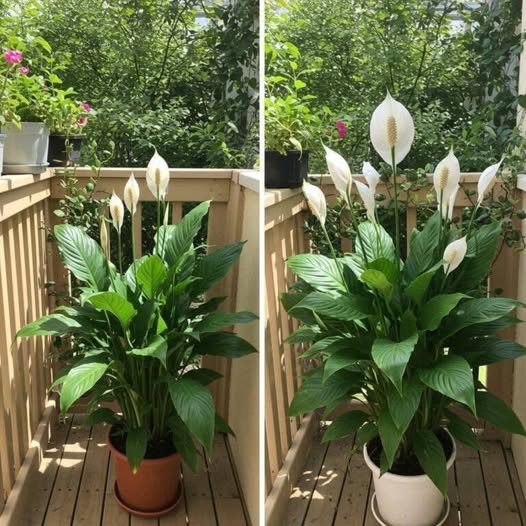
Although often called flowers, the white structures are actually specialized leaf-like bracts known as spathes that surround the flower spike.
Why Peace Lilies Stop Blooming
Many plant owners become concerned when blooms disappear.
Common reasons include:
- Insufficient light
- Overwatering
- Underwatering
- Nutrient deficiencies
- Root crowding
- Temperature stress
- Natural aging of blooms
Understanding these factors is often the first step toward improving flowering performance.
The Simple Care Tip: Provide Bright, Indirect Light
One of the most effective ways to encourage peace lily blooms is ensuring the plant receives adequate bright, indirect light.
Why Light Matters
Light provides the energy plants need for:
- Growth
- Photosynthesis
- Flower production
While peace lilies tolerate lower light conditions better than many houseplants, low light often reduces blooming potential.
A plant may survive in a dim corner but produce few or no flowers.
Ideal Lighting Conditions
Peace lilies generally perform best in:
- Bright indirect sunlight
- East-facing windows
- Areas near filtered sunlight
- Rooms with consistent natural light
Avoid prolonged exposure to intense direct afternoon sun, which can scorch leaves.
Signs Your Plant Needs More Light
Your peace lily may benefit from additional light if you notice:
- Few or no blooms
- Slow growth
- Smaller leaves
- Leggy growth patterns
Gradually moving the plant closer to a bright window can often improve overall performance.
Other Factors That Support Blooming
Although lighting is important, several additional care practices may also influence flowering.
Water Consistently but Avoid Overwatering
Peace lilies appreciate evenly moist soil.
However, excessively wet conditions can create problems.
Proper Watering Tips
- Water when the top inch of soil feels slightly dry
- Avoid allowing soil to remain waterlogged
- Ensure proper drainage
Signs of Overwatering
- Yellow leaves
- Drooping despite wet soil
- Root issues
- Fungal problems
Signs of Underwatering
- Wilted leaves
- Dry soil
- Brown leaf tips
A consistent watering schedule helps maintain plant health.
Use Well-Draining Potting Soil
Soil quality affects root health and overall growth.
Characteristics of Good Peace Lily Soil
Look for soil that:
- Retains some moisture
- Drains excess water efficiently
- Allows air circulation around roots
Many indoor plant potting mixes work well for peace lilies.
Feed During the Growing Season
Nutrients support healthy foliage and flower production.
Fertilizing Guidelines
During active growth:
- Feed every 6 to 8 weeks
- Use a balanced houseplant fertilizer
- Follow package instructions carefully
Excess fertilizer can damage roots and reduce plant health.
Signs of Nutrient Deficiency
Possible indicators include:
- Pale leaves
- Slow growth
- Reduced blooming
Balanced nutrition supports overall vigor.
Maintain Comfortable Indoor Temperatures
Peace lilies prefer conditions similar to those found in many homes.
Ideal Temperature Range
Generally:
- 65°F to 85°F (18°C to 29°C)
Avoid exposing plants to:
- Cold drafts
- Sudden temperature changes
- Air-conditioning vents
- Heating vents
Stable temperatures encourage consistent growth.
Increase Humidity When Needed
As tropical plants, peace lilies appreciate moderate humidity.
Ways to Increase Humidity
Group Plants Together
Plants naturally release moisture into the air.
Use a Humidity Tray
Place the pot on a tray filled with pebbles and water.
Use a Humidifier
This may be especially helpful during dry seasons.
Signs of Low Humidity
- Brown leaf edges
- Crispy tips
- Reduced vigor
Increasing humidity may improve overall appearance.
Repot When Necessary
Root-bound plants may struggle to grow and bloom effectively.
Signs It’s Time to Repot
- Roots emerging from drainage holes
- Rapid drying of soil
- Reduced growth
- Crowded root system
Repotting every few years may help maintain healthy development.
Remove Old Flowers
Dead blooms can divert the plant’s energy.
Proper Deadheading
Use clean scissors to remove:
- Faded flower stalks
- Yellowing blooms
This may help redirect resources toward new growth.
Keep Leaves Clean
Dust accumulation can interfere with light absorption.
Cleaning Tips
- Wipe leaves with a damp cloth
- Remove dust periodically
- Avoid harsh cleaning products
Clean leaves maximize photosynthesis efficiency.
Common Mistakes That May Reduce Blooming
Avoiding common care errors can improve flowering potential.
Keeping the Plant in Deep Shade
Although peace lilies tolerate low light, deep shade often limits blooms.
Overfertilizing
Too much fertilizer may:
- Damage roots
- Cause salt buildup
- Stress the plant
Moderation is important.
Ignoring Drainage
Poor drainage increases the risk of root problems.
Always use pots with drainage holes when possible.
Allowing Severe Water Stress
Repeated cycles of extreme dryness or excessive moisture may affect flowering.
Understanding the Peace Lily Bloom Cycle
Peace lilies naturally bloom in cycles.
Even healthy plants may experience periods without flowers.
Factors influencing bloom frequency include:
- Plant age
- Light levels
- Seasonal changes
- Overall health
Patience is often necessary.
Can Grow Lights Help?
For homes with limited natural light, grow lights may provide additional support.
Benefits of Grow Lights
- Consistent lighting
- Improved growth
- Potential support for flowering
Choose lights designed specifically for indoor plants and follow manufacturer recommendations.
Frequently Asked Questions
How often do peace lilies bloom?
Blooming frequency varies depending on growing conditions, plant maturity, and overall health.
Why does my peace lily have healthy leaves but no flowers?
Insufficient light is one of the most common reasons.
Other factors may include nutrition, watering practices, or plant maturity.
Can I force a peace lily to bloom?
There is no guaranteed method to force flowering. Providing optimal care creates favorable conditions for natural blooms.
Should I remove old blooms?
Yes. Removing faded blooms can improve appearance and may help redirect energy toward future growth.
Do larger peace lilies bloom more often?
Not necessarily. Blooming depends more on plant health and growing conditions than size alone.
Additional Tips for a Healthier Peace Lily
Rotate the Plant
Occasionally rotating the pot helps promote balanced growth.
Inspect for Pests
Check periodically for common houseplant pests.
Avoid Sudden Changes
Gradual adjustments help reduce plant stress.
Monitor Seasonal Changes
Indoor conditions may vary throughout the year and require care adjustments.
Benefits of Growing Peace Lilies Indoors
Beyond their beautiful appearance, peace lilies offer several advantages.
Attractive Foliage
Glossy green leaves enhance interior spaces.
Adaptability
They grow well in many indoor environments.
Long Lifespan
With proper care, peace lilies can remain healthy for many years.
Decorative Blooms
Their elegant white blooms provide lasting visual interest.
Conclusion
If your peace lily isn’t blooming as often as you’d like, one of the simplest and most effective adjustments may be increasing the amount of bright, indirect light it receives. While peace lilies can survive in lower-light conditions, adequate lighting often plays a key role in supporting healthy growth and flower production.
Combining proper lighting with consistent watering, balanced fertilization, good drainage, appropriate humidity, and routine maintenance can create an environment where your peace lily has the best opportunity to thrive. Although blooming cycles vary from plant to plant, providing optimal care can improve overall health and increase the likelihood of enjoying those beautiful white blooms throughout the year.
With patience and attention to your plant’s needs, your peace lily can remain a vibrant and rewarding addition to your indoor garden for years to come.