Why Are My Veins So Visible? Common Causes Explained
Introduction
Many people notice that their veins seem more visible than before and wonder if it is a sign of a health problem. Prominent veins can appear on the hands, arms, legs, chest, or other areas of the body. In many cases, visible veins are completely normal and result from natural factors such as skin tone, body composition, age, or physical activity.
However, there are situations where highly visible veins may be linked to circulation issues, vein disorders, or other underlying health conditions. Understanding the common reasons behind visible veins can help you determine whether what you are experiencing is a normal variation or something worth discussing with a healthcare professional.
This article explains the most common causes of visible veins, when they may indicate a medical concern, and ways to support healthy circulation.
What Makes Veins Visible?
Veins carry blood back to the heart after oxygen has been delivered throughout the body. Some veins are located close to the skin’s surface, making them easier to see.
Several factors influence vein visibility, including:
- Skin thickness
- Skin color
- Body fat percentage
- Age
- Hydration status
- Genetics
- Physical activity levels
For some individuals, visible veins are simply a natural characteristic and not a sign of illness.
1. Low Body Fat Percentage
One of the most common reasons veins become more noticeable is a reduction in body fat.
Fat beneath the skin acts as a layer that can conceal veins. When body fat decreases, veins become easier to see.
This is particularly common among:
- Athletes
- Bodybuilders
- Runners
- Individuals who have recently lost weight
As the layer between the skin and veins becomes thinner, veins may appear larger and more prominent.
Signs This May Be the Cause
- Recent weight loss
- Increased muscle definition
- Healthy energy levels
- No pain or swelling
In most cases, visible veins due to low body fat are completely normal.
2. Genetics
Genetics play a major role in determining how visible your veins are.
Some people naturally inherit:
- Thinner skin
- Larger superficial veins
- Lower natural body fat levels
- Certain vein patterns
If your parents or close relatives have noticeable veins, there is a good chance you may have inherited similar characteristics.
Genetics can influence:
- Vein size
- Vein placement
- Skin thickness
- Overall circulation patterns
This type of vein visibility is usually harmless.
3. Aging
As people age, their skin naturally becomes thinner and loses some of its elasticity.
Several age-related changes contribute to more visible veins:
- Reduced collagen production
- Thinning skin
- Loss of fatty tissue beneath the skin
- Changes in blood vessel structure
These changes make veins easier to see, especially on the:
- Hands
- Arms
- Legs
- Feet
Visible veins are therefore common among older adults and are often considered a normal part of aging.
4. Exercise and Physical Activity
Physical activity can temporarily make veins more noticeable.
During exercise:
- Blood flow increases
- Muscles expand
- Blood vessels dilate
- Veins move closer to the skin surface
This phenomenon is often called “vascularity.”
Activities that commonly increase vein visibility include:
- Weightlifting
- Running
- Cycling
- High-intensity interval training
- Resistance training
After exercise, veins usually return to their normal appearance as circulation and muscle size normalize.
5. Hot Weather and High Temperatures
Warm temperatures can make veins appear larger and more noticeable.
When the body gets hot:
- Blood vessels expand
- More blood flows near the skin
- Heat is released more efficiently
As veins widen, they become easier to see.
You may notice more visible veins during:
- Summer months
- Hot showers
- Saunas
- Outdoor activities in warm weather
This is generally a normal response to temperature changes.
6. Fair or Thin Skin
People with lighter skin tones often notice veins more easily because there is less pigment to obscure blood vessels.
Similarly, naturally thin skin allows veins to show through more prominently.
Visible veins are especially common on:
- Wrists
- Hands
- Forearms
- Chest
- Feet
The color of visible veins may appear:
- Blue
- Green
- Purple
This coloration is caused by the way light interacts with skin and blood vessels.
7. Pregnancy
Pregnancy often increases vein visibility.
Several factors contribute:
- Increased blood volume
- Hormonal changes
- Pressure from the growing uterus
- Increased circulation demands
Pregnant women may notice more prominent veins on the:
- Breasts
- Abdomen
- Legs
- Arms
These changes often improve after childbirth as hormone levels and blood volume return to normal.
8. Dehydration
Mild dehydration can temporarily affect circulation and blood vessel appearance.
When fluid levels decrease:
- Blood volume may become slightly reduced
- Circulatory adjustments occur
- Veins may appear more prominent in some individuals
Other signs of dehydration may include:
- Dry mouth
- Headache
- Dark urine
- Fatigue
Maintaining proper hydration supports overall cardiovascular health.
9. Muscle Growth
Building muscle can make veins more visible.
As muscles grow:
- They push closer to the skin surface
- Veins become more apparent
- Body fat percentages often decrease
This is particularly noticeable among people who engage in regular strength training.
Common areas include:
- Biceps
- Forearms
- Shoulders
- Calves
Muscle-related vascularity is usually considered a normal physiological adaptation.
10. Varicose Veins
Not all visible veins are harmless. In some cases, prominent veins may indicate varicose veins.
Varicose veins occur when vein valves become weakened or damaged, allowing blood to pool inside the veins.
Symptoms may include:
- Enlarged twisted veins
- Leg heaviness
- Aching discomfort
- Swelling
- Itching
- Burning sensations
Varicose veins most commonly affect the legs because gravity places additional pressure on lower-body circulation.
Medical evaluation may be helpful if symptoms are significant or worsening.
11. Chronic Venous Insufficiency
Chronic venous insufficiency develops when leg veins struggle to return blood efficiently to the heart.
Potential symptoms include:
- Prominent veins
- Leg swelling
- Pain
- Skin discoloration
- Fatigue in the legs
Risk factors include:
- Aging
- Obesity
- Prolonged standing
- Previous blood clots
- Family history
Treatment often focuses on improving circulation and reducing pressure within the veins.
12. Temporary Vein Enlargement After Injury
Following an injury, veins near the affected area may become more visible.
This can occur because:
- Blood flow increases
- Inflammation develops
- Healing processes are activated
Visible veins associated with injury often improve as the area recovers.
Seek medical attention if you experience:
- Severe swelling
- Intense pain
- Redness spreading rapidly
- Signs of infection
When Visible Veins May Signal a Health Concern
Most visible veins are harmless. However, some symptoms warrant medical evaluation.
Consider consulting a healthcare professional if visible veins are accompanied by:
- Persistent pain
- Swelling
- Skin ulcers
- Significant redness
- Warmth around the vein
- Sudden changes in appearance
- Leg heaviness
- Shortness of breath
- Unexplained bruising
These symptoms may indicate an underlying vascular condition requiring treatment.
How to Support Healthy Veins
While some factors cannot be changed, several habits may help support healthy circulation and vein function.
Stay Physically Active
Regular exercise helps:
- Improve circulation
- Strengthen muscles
- Support healthy blood flow
- Reduce pressure in leg veins
Good options include:
- Walking
- Swimming
- Cycling
- Strength training
Maintain a Healthy Weight
Excess body weight can place additional pressure on veins, particularly in the legs.
Maintaining a healthy weight may help:
- Improve circulation
- Reduce vein strain
- Lower the risk of varicose veins
Stay Hydrated
Proper hydration supports healthy blood flow and cardiovascular function.
Try to:
- Drink water consistently throughout the day
- Increase fluids during exercise
- Adjust intake during hot weather
Avoid Sitting or Standing Too Long
Long periods of inactivity can slow circulation.
Helpful strategies include:
- Taking walking breaks
- Stretching regularly
- Changing positions frequently
- Elevating the legs when resting
Consider Compression Garments
For people with circulation concerns, compression socks may help support blood flow in the legs.
A healthcare provider can determine whether compression therapy is appropriate.
Common Myths About Visible Veins
Myth 1: Visible Veins Always Mean Poor Health
Not true.
Many healthy individuals naturally have visible veins due to genetics, low body fat, or exercise habits.
Myth 2: Blue Veins Mean Blood Is Blue
Blood is never actually blue.
Veins appear blue because of how light interacts with skin and tissue.
Myth 3: Visible Veins Always Require Treatment
Most visible veins do not require treatment unless they are causing symptoms or linked to an underlying medical condition.
Frequently Asked Questions
Why are my veins suddenly more visible?
Sudden vein visibility may occur due to:
- Weight loss
- Increased exercise
- Hot weather
- Dehydration
- Hormonal changes
If changes occur alongside pain or swelling, medical evaluation may be beneficial.
Are visible veins a sign of good circulation?
Not necessarily.
Visible veins can occur in people with excellent circulation, but they can also occur in individuals with vein disorders. Appearance alone cannot determine circulation quality.
Can stress make veins more visible?
Stress may temporarily influence blood vessel function and blood pressure, but it is rarely the primary cause of highly visible veins.
Should I worry about veins showing on my hands?
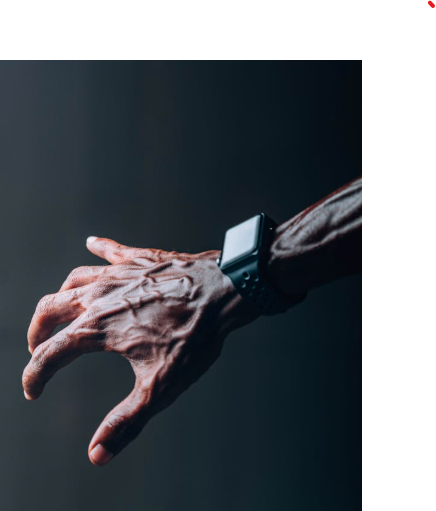
Visible hand veins are extremely common, especially with aging, exercise, weight loss, and naturally thin skin.
Conclusion
Visible veins are often a normal part of human anatomy and can result from factors such as genetics, aging, exercise, low body fat, warm temperatures, and skin characteristics. For many people, prominent veins are simply a cosmetic feature and not a sign of disease.
However, when visible veins are accompanied by symptoms such as pain, swelling, skin changes, or leg discomfort, they may indicate conditions such as varicose veins or chronic venous insufficiency. Understanding the common causes of visible veins can help you recognize what is normal and when professional medical advice may be appropriate.
Supporting healthy circulation through regular exercise, hydration, weight management, and healthy lifestyle habits can contribute to overall vein health and long-term cardiovascular wellness.