How to Reduce the Appearance of Scratches on Glasses: Simple Cleaning and Care Tips
Introduction
Scratches on eyeglasses can be frustrating. Whether you wear prescription glasses every day or use sunglasses for outdoor activities, even small scratches can affect clarity, create glare, and make your lenses look worn out. While deep scratches often cannot be completely removed without professional intervention or lens replacement, there are several ways to reduce their appearance and prevent further damage.
Proper cleaning techniques, careful storage, and routine maintenance can help keep your glasses looking their best and extend the life of your lenses. Understanding what causes scratches and how to care for your eyewear correctly can save money and improve your overall visual experience.
This guide explains common causes of scratched glasses, practical cleaning methods, preventive care tips, and when it may be time to replace your lenses.
Why Glasses Get Scratched
Modern eyeglass lenses are designed to be durable, but they are not completely scratch-proof.
Common causes of scratches include:
- Wiping lenses with rough fabrics
- Cleaning lenses when dust or dirt is present
- Dropping glasses on hard surfaces
- Storing glasses without a protective case
- Using paper towels or tissues for cleaning
- Keeping glasses loose in bags or pockets
- Exposure to abrasive materials
Even lenses with scratch-resistant coatings can develop scratches over time with everyday use.
Understanding Lens Materials
Different lens materials have different levels of scratch resistance.
Plastic Lenses
Plastic lenses are lightweight and affordable but can scratch more easily than some alternatives.
Benefits
- Lightweight
- Cost-effective
- Comfortable for daily wear
Drawbacks
- More susceptible to surface scratches
Polycarbonate Lenses
Polycarbonate lenses are popular because they are impact-resistant and lightweight.
Benefits
- Durable
- Excellent for active lifestyles
- Safer for children
Drawbacks
- May still develop surface scratches without proper coating
High-Index Lenses
High-index lenses are thinner and lighter for stronger prescriptions.
Benefits
- Slim appearance
- Comfortable fit
Drawbacks
- Require protective coatings for optimal durability
Glass Lenses
Traditional glass lenses are naturally more scratch-resistant.
Benefits
- Excellent optical clarity
- Better resistance to scratches
Drawbacks
- Heavier
- More prone to breaking if dropped
Can Scratches Be Completely Removed?
The answer depends on the depth and severity of the scratch.
Minor Surface Marks
Very light scratches may become less noticeable through careful cleaning and polishing methods recommended by eyewear professionals.
Deep Scratches
Deep scratches usually cannot be safely removed at home. Attempting aggressive polishing may damage lens coatings and worsen vision quality.
In many cases, replacing the lens is the safest solution for significant scratches.
Safe Cleaning Methods to Improve Lens Appearance
Keeping lenses clean can make scratches appear less noticeable because dirt and oils often collect inside scratch marks.
Step 1: Rinse with Lukewarm Water
Before wiping lenses:
- Hold glasses under lukewarm running water
- Remove dust and debris
- Avoid hot water, which may damage coatings
This step helps prevent additional scratches during cleaning.
Step 2: Use Lens-Safe Cleaning Solution
Apply a cleaner specifically designed for eyeglasses.
Look for products that:
- Are alcohol-free when recommended by the manufacturer
- Are safe for lens coatings
- Leave minimal residue
Avoid household cleaners unless approved for eyewear use.
Step 3: Gently Clean Both Sides
Use your fingertips to gently clean:
- Front lens surfaces
- Back lens surfaces
- Nose pads
- Frame edges
Gentle pressure helps remove oils without causing additional damage.
Step 4: Dry with a Microfiber Cloth
A microfiber cloth is one of the safest tools for cleaning glasses.
Benefits include:
- Soft fibers
- Reduced risk of scratching
- Effective removal of smudges
Always ensure the cloth itself is clean before use.
Cleaning Mistakes That Can Make Scratches Worse
Many people accidentally damage their lenses while trying to clean them.
Avoid the following mistakes:
Using Paper Towels
Paper products can contain wood fibers that scratch lenses.
Examples include:
- Paper towels
- Napkins
- Facial tissues
Cleaning Dry Lenses
Wiping dry lenses can drag dust particles across the surface, creating fine scratches.
Always rinse first.
Using Clothing
Shirts, jackets, and other fabrics may contain dirt particles that damage lens coatings.
Applying Household Glass Cleaner
Many household cleaners contain chemicals that may harm:
- Anti-reflective coatings
- UV coatings
- Scratch-resistant coatings
How to Reduce the Visibility of Minor Scratches
Although scratches usually cannot be erased completely, a few practical strategies may help reduce their appearance.
Keep Lenses Spotlessly Clean
Dirt and oils often settle into scratches, making them more obvious.
Routine cleaning helps:
- Improve lens clarity
- Reduce glare
- Minimize the appearance of fine scratches
Improve Lighting Conditions
Scratches are often more visible under certain lighting angles.
To reduce visual distraction:
- Position screens properly
- Use anti-glare lighting
- Avoid direct bright reflections
Use Anti-Reflective Coatings on Replacement Lenses
If replacing lenses, consider anti-reflective coatings.
Benefits include:
- Reduced glare
- Improved visual clarity
- Less noticeable surface imperfections
Consult an Optical Professional
Some optical shops may offer:
- Lens assessments
- Coating evaluations
- Recommendations for replacement options
Professional advice helps avoid damaging lenses further.
Daily Habits That Prevent New Scratches
Preventing scratches is easier than dealing with them afterward.
Always Use a Protective Case
A hard-shell case offers excellent protection.
Benefits include:
- Prevents accidental drops
- Protects against pressure damage
- Reduces contact with abrasive objects
Store glasses in a case whenever they are not being worn.
Place Glasses Correctly
When setting glasses down:
- Place them with lenses facing upward
- Use a clean surface
Never rest lenses directly against tables or countertops.
Keep Microfiber Cloths Clean
Dirty cleaning cloths can introduce grit that scratches lenses.
Regularly:
- Wash microfiber cloths
- Air dry when possible
- Replace heavily worn cloths
Remove Glasses with Both Hands
Using both hands helps:
- Maintain frame alignment
- Reduce stress on hinges
- Lower the risk of accidental drops
Caring for Sunglasses
Sunglasses require the same level of care as prescription glasses.
Extra precautions include:
- Rinsing off saltwater after beach visits
- Removing sand before cleaning
- Storing properly during travel
Outdoor conditions can expose lenses to abrasive particles that increase scratching risks.
How Environmental Factors Affect Lenses
Several environmental conditions can impact lens durability.
Dust and Sand
Fine particles can act like sandpaper on lens surfaces.
Protect glasses during:
- Construction work
- Outdoor sports
- Beach trips
- Yard work
Heat Exposure
Excessive heat may damage lens coatings.
Avoid leaving glasses:
- On car dashboards
- Near heaters
- In direct sunlight for extended periods
Humidity and Moisture
While moisture itself is not usually harmful, improper drying methods may lead to lens damage.
Use appropriate cleaning techniques after exposure to rain or humidity.
Signs It May Be Time to Replace Your Lenses
Even with excellent care, lenses eventually wear out.
Consider replacement if:
- Scratches interfere with vision
- Night driving becomes difficult
- Glare increases significantly
- Lens coatings begin peeling
- Optical clarity decreases
Modern replacement lenses often include improved coating technologies that enhance durability and comfort.
Frequently Asked Questions
Can toothpaste remove scratches from glasses?
Some online sources suggest using toothpaste, but many eye care professionals discourage this practice. Abrasive ingredients may damage coatings and create additional scratches.
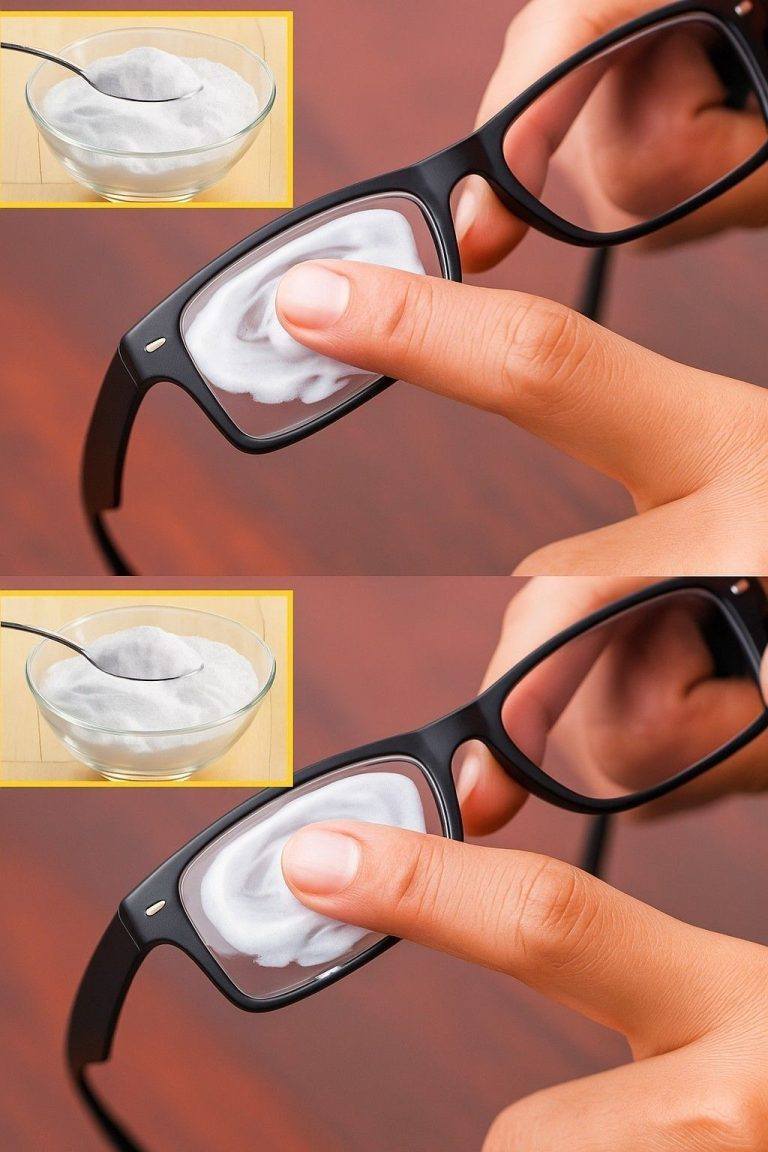
Does baking soda help fix scratched glasses?
Baking soda is abrasive and may worsen lens damage, especially on coated lenses.
Can lens coatings be repaired?
In some cases, damaged coatings may require lens replacement rather than repair.
An optical professional can evaluate available options.
Are scratch-resistant lenses scratch-proof?
No. Scratch-resistant coatings improve durability but cannot completely prevent scratches.
Proper handling remains essential.
How often should glasses be cleaned?
Most people benefit from cleaning glasses daily or whenever noticeable smudges and debris accumulate.
Regular cleaning helps maintain optimal vision and lens appearance.
Long-Term Benefits of Proper Eyewear Care
Consistent lens maintenance offers several advantages.
Better Vision
Clean lenses improve visual clarity and reduce eye strain.
Longer Lens Lifespan
Proper care helps delay the need for replacement.
Improved Appearance
Well-maintained glasses look newer and more professional.
Lower Costs
Preventing scratches reduces repair and replacement expenses.
Greater Comfort
Clear lenses make daily activities more enjoyable and efficient.
Conclusion
Scratches on glasses are a common issue that can affect both appearance and visual comfort. While deep scratches often cannot be completely removed, proper cleaning and maintenance can help reduce the visibility of minor surface marks and prevent additional damage.
Simple habits such as rinsing lenses before cleaning, using microfiber cloths, storing glasses in protective cases, and avoiding abrasive materials can significantly extend the life of your eyewear. Understanding how scratches occur and adopting proper lens-care techniques allows you to keep your glasses cleaner, clearer, and more comfortable to wear.
With consistent attention and good eyewear habits, you can protect your investment, maintain excellent vision quality, and keep your glasses looking their best for years to come.