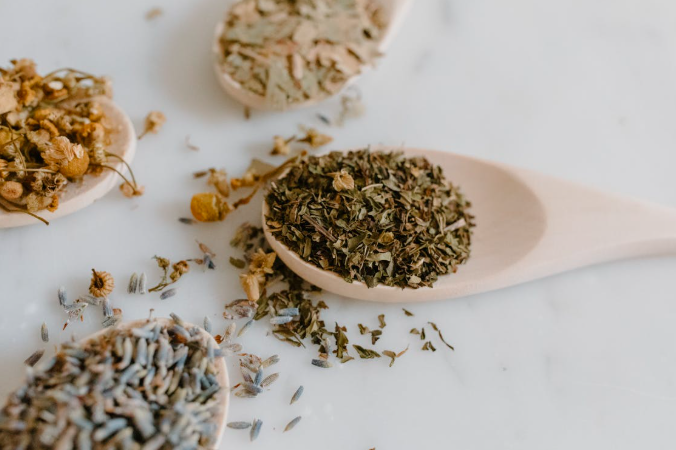
Herbal Remedies That May Help Soothe the Nose, Throat, and Airways
Introduction
Respiratory discomfort can make even simple daily activities feel challenging. Whether caused by seasonal changes, dry indoor air, environmental irritants, allergies, or minor illnesses, symptoms affecting the nose, throat, and airways are common throughout the year. While medical treatment is sometimes necessary, many people also explore traditional herbal remedies to help soothe irritation and support respiratory comfort.
For centuries, herbs have been used in various cultures as part of wellness practices aimed at supporting the respiratory system. Some herbs contain natural compounds that may help calm irritated tissues, provide a soothing sensation, or support the body’s natural defenses. Although herbal remedies are not a cure for respiratory illnesses and should not replace professional medical care when needed, they may offer comfort for mild, temporary symptoms.
This article explores several herbal remedies that have traditionally been used to support the nose, throat, and airways, along with practical tips for safe use and additional lifestyle measures that may promote respiratory wellness.
Understanding the Respiratory System
The respiratory system is responsible for bringing oxygen into the body and removing carbon dioxide.
Major components include:
- Nose
- Sinuses
- Throat
- Windpipe (trachea)
- Airways
- Lungs
These structures work together to:
- Filter air
- Warm and humidify inhaled air
- Help defend against irritants
- Support efficient breathing
When irritation occurs, symptoms may include:
- Nasal congestion
- Runny nose
- Throat discomfort
- Occasional coughing
- Dryness
- Airway irritation
Why People Use Herbal Remedies
Herbal remedies remain popular because they are often:
- Easy to prepare
- Widely available
- Affordable
- Part of long-standing wellness traditions
Many herbs contain naturally occurring compounds that may contribute to soothing effects.
Potential benefits may include:
- Supporting hydration
- Promoting throat comfort
- Providing aromatic relief
- Encouraging relaxation
However, scientific evidence varies, and effectiveness can differ between individuals.
1. Peppermint
Peppermint is one of the most commonly used herbs for respiratory comfort.
What Makes Peppermint Popular?
Peppermint contains menthol, a naturally occurring compound that creates a cooling sensation.
Many people find peppermint helpful because it may provide a feeling of:
- Easier breathing
- Nasal freshness
- Throat comfort
Ways to Use Peppermint
Peppermint Tea
A warm cup of peppermint tea may help soothe throat irritation and promote hydration.
Steam Inhalation
Adding peppermint leaves or peppermint oil to hot water may create an aromatic steam experience.
Lozenges
Peppermint lozenges are commonly used to provide temporary throat comfort.
2. Ginger
Ginger has been used in traditional wellness practices for thousands of years.
Potential Benefits
Many people use ginger to support:
- Throat comfort
- General wellness
- Occasional respiratory irritation
Its warming properties make it especially popular during colder months.
How to Prepare Ginger Tea
Ingredients
- Fresh ginger root
- Hot water
- Optional honey
- Optional lemon
Instructions
- Slice fresh ginger.
- Add slices to hot water.
- Steep for 10–15 minutes.
- Strain and serve.
This simple preparation is a favorite home remedy around the world.
3. Licorice Root
Licorice root has a long history in traditional herbal medicine.
Why It Is Often Used
Licorice root contains compounds that may help create a soothing coating effect on irritated tissues.
People commonly use it for:
- Throat comfort
- Occasional cough-related irritation
- Respiratory support
Common Forms
- Herbal teas
- Lozenges
- Herbal syrups
Safety Considerations
Licorice root may not be suitable for everyone.
Individuals with:
- High blood pressure
- Certain heart conditions
- Kidney disorders
should consult a healthcare professional before regular use.
4. Marshmallow Root
Despite its name, marshmallow root is a medicinal herb rather than a sweet treat.
What Makes It Unique?
Marshmallow root contains mucilage, a gel-like substance that may help coat and soothe irritated tissues.
Traditional Uses
People have traditionally used marshmallow root to support:
- Throat comfort
- Dry throat irritation
- Respiratory wellness
Popular Preparations
- Herbal tea
- Capsules
- Powders
- Herbal syrups
5. Thyme
Thyme is a well-known culinary herb that has also been used traditionally to support respiratory health.
Why People Use Thyme
Thyme contains natural compounds that have made it popular in herbal wellness practices.
Traditionally, it has been used to help soothe:
- Mild throat irritation
- Occasional coughing
- Airway discomfort
Thyme Tea Recipe
Ingredients
- 1 teaspoon dried thyme
- 1 cup hot water
Instructions
- Add thyme to hot water.
- Steep for 10 minutes.
- Strain and enjoy.
Honey and lemon may be added for additional flavor.
6. Eucalyptus
Eucalyptus is widely recognized for its refreshing aroma.
Traditional Uses
Many people use eucalyptus to help create a sensation of:
- Clearer breathing
- Nasal comfort
- Airway freshness
Common Applications
Steam Inhalation
Adding eucalyptus leaves or diluted eucalyptus oil to steam is a popular method.
Aromatherapy
Many respiratory wellness products contain eucalyptus-based ingredients.
Safety Note
Essential oils should be used carefully and according to product instructions.
7. Sage
Sage has been used in traditional herbal practices for generations.
Potential Benefits
People often use sage to support:
- Throat comfort
- Oral health
- Respiratory wellness
Sage Tea
Warm sage tea is commonly consumed during periods of throat irritation.
It may be prepared similarly to other herbal teas.
8. Chamomile
Chamomile is widely known for its calming properties.
How It May Support Comfort
A warm cup of chamomile tea may help:
- Promote relaxation
- Support hydration
- Soothe mild throat discomfort
Relaxation may be particularly beneficial when respiratory symptoms interfere with sleep.
9. Lemon Balm
Lemon balm belongs to the mint family and has traditionally been used for wellness support.
Why It’s Popular
Many people enjoy lemon balm because of its:
- Pleasant flavor
- Calming properties
- Soothing qualities
It is frequently included in herbal tea blends.
The Role of Honey in Herbal Remedies
Although not technically an herb, honey is frequently paired with herbal preparations.
Why Honey Is Commonly Used
Honey may help:
- Coat the throat
- Improve flavor
- Increase comfort during mild throat irritation
Popular combinations include:
- Ginger and honey
- Lemon and honey
- Thyme and honey
- Sage and honey
Honey should not be given to infants under one year of age.
The Importance of Hydration
One of the simplest ways to support respiratory comfort is maintaining adequate hydration.
Fluids may help:
- Keep tissues moist
- Support mucus movement
- Reduce dryness
Good hydration options include:
- Water
- Herbal teas
- Warm broths
Steam Inhalation for Temporary Comfort
Steam has long been used to support respiratory comfort.
Potential Benefits
Warm steam may help:
- Moisten nasal passages
- Ease dryness
- Promote temporary comfort
Basic Steam Method
- Fill a bowl with hot water.
- Lean carefully over the bowl.
- Cover your head with a towel.
- Breathe gently for several minutes.
Always use caution to avoid burns.
Lifestyle Tips for Respiratory Wellness
In addition to herbal remedies, several habits may support respiratory health.
Use a Humidifier
Adding moisture to indoor air may reduce dryness.
Avoid Smoke Exposure
Smoke can irritate the respiratory system and worsen symptoms.
Improve Indoor Air Quality
Consider:
- Air filtration
- Regular cleaning
- Dust reduction
Get Adequate Rest
Sleep supports overall health and recovery.
Eat a Balanced Diet
Nutrient-rich foods help support the body’s natural functions.
When to Seek Medical Attention
Herbal remedies are best suited for mild, temporary symptoms.
Consult a healthcare professional if you experience:
- Difficulty breathing
- Persistent symptoms
- High fever
- Chest pain
- Severe coughing
- Symptoms lasting longer than expected
Prompt evaluation is important when symptoms are significant or worsening.
Frequently Asked Questions
Can herbs cure respiratory infections?
No. Herbal remedies may provide comfort, but they are not cures for infections or serious medical conditions.
Are herbal teas safe for everyone?
Not necessarily. Some herbs may interact with medications or medical conditions.
How often can I drink herbal tea?
This depends on the specific herb and individual health factors. Follow product guidance and consult a healthcare professional if unsure.
Is steam inhalation safe?
Steam inhalation may provide temporary comfort, but care must be taken to avoid burns.
Can children use herbal remedies?
Some herbal products may not be suitable for children. Always seek age-appropriate guidance.
Conclusion
Herbal remedies have been used for generations to help soothe the nose, throat, and airways during periods of mild respiratory discomfort. Popular options such as peppermint, ginger, licorice root, marshmallow root, thyme, eucalyptus, sage, chamomile, and lemon balm continue to be valued for their traditional uses and comforting qualities.
While these remedies may provide temporary relief and support overall wellness, they should be viewed as complementary approaches rather than replacements for professional medical care. Maintaining hydration, improving indoor air quality, getting adequate rest, and following healthy lifestyle habits can further support respiratory comfort.
By using herbal remedies thoughtfully and safely, many individuals can enjoy a natural approach to promoting comfort and well-being throughout the year.